

Workshops
Thursday, 26 November 2026
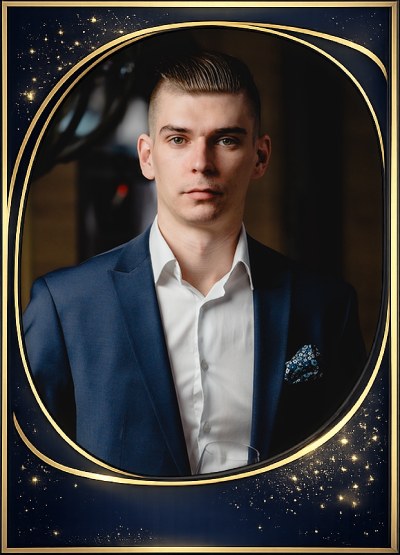
Food and Wine Pairing
Kristijan Harjač, sommelier
NOEL Restaurant, Croatia
This workshop introduces participants to the fundamentals of wine tasting, wine appreciation, and the principles of pairing food and wine. It begins with a brief presentation covering the basics of wine tasting, key differences in winemaking processes, and the terminology used to describe and evaluate wines. Participants learn how to approach wine tasting and identify its main sensory characteristics – appearance, aroma, taste, and texture – while gaining an understanding of the factors that shape the overall tasting experience. The practical portion of the workshop gives participants the opportunity to taste four selected wines while exploring the basic principles of food and wine pairing. The goal is to provide practical knowledge and an engaging sensory experience, helping participants develop their wine-tasting skills and gain a deeper understanding of how to create harmonious food and wine pairings.
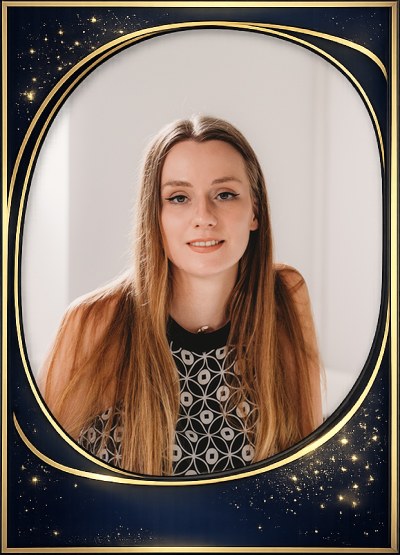
Novel approach to correcting iron deficiency
Lea Jankov, MSc
NuFerti d.o.o., Croatia
The workshop will address iron deficiency and iron deficiency anemia, focusing on the identification of symptoms, timely diagnosis, and high-risk populations. Participants will gain insights into the latest developments in iron metabolism and the role of hepcidin in regulating iron absorption and utilization. Special attention will be given to contemporary iron supplementation strategies, including the benefits and limitations of oral iron therapy and the use of intravenous iron. The workshop will also highlight the importance of an individualized approach to treatment, optimal therapeutic decision-making, and monitoring treatment response.
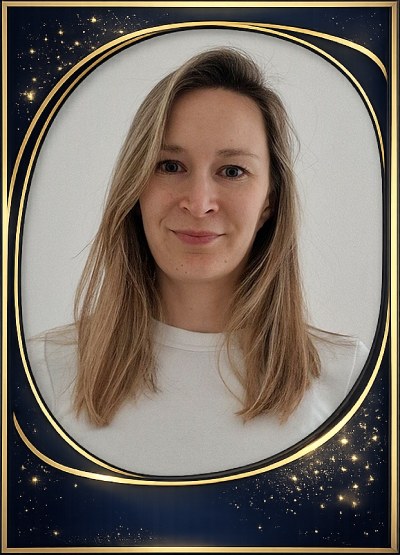
Enteral Feeding
Sara Sila, PhD
Children's Hospital Zagreb, Croatia
The workshop provides an overview of the principles of enteral nutrition in clinical practice. It covers indications and contraindications, selection of access route and enteral formulas, calculation of nutritional requirements, and monitoring and prevention of complications. Through practical examples, participants will gain the hands-on knowledge needed to plan and deliver enteral nutrition in collaboration with a multidisciplinary team.
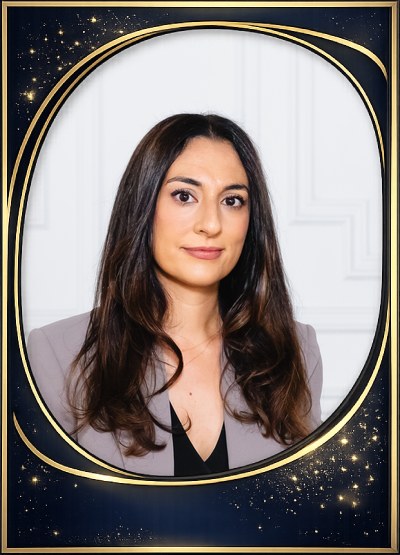
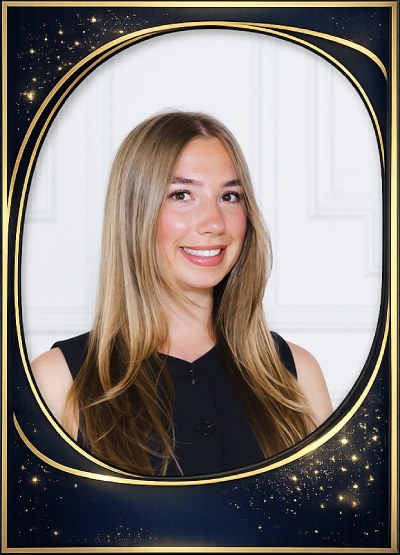
Rethinking Ultra-Processed Foods: From Science to Practice
Assist. Prof. Anthea Christoforou, PhD and Angelina Barić, MSc
McMaster University, Canada
The workshop focuses on defining and identifying ultra-processed foods, with particular reference to classification systems such as the NOVA classification. Through the analysis of product labels and practical examples, participants will learn how to apply this knowledge when counselling clients and patients.
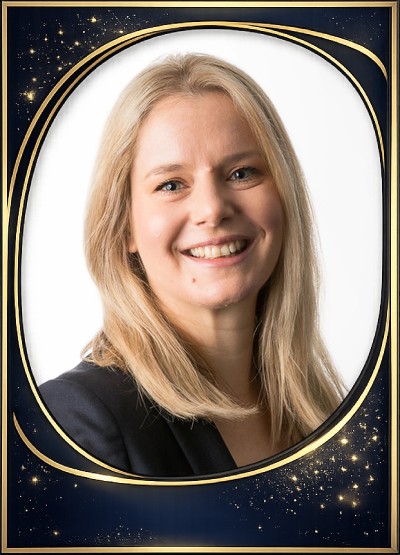
AI in Personalised Nutrition: A Companion Worth Having
Leta Pilić, PhD
Optimyse Nutrition
The workshop presents the potential applications of artificial intelligence tools in nutrition practice and research. It demonstrates how such tools can be used in meal planning, dietary intake analysis, literature searches and client education. Particular emphasis is placed on limitations, ethical issues and the critical evaluation of outputs generated by artificial intelligence tools.
Friday, 27 November 2026
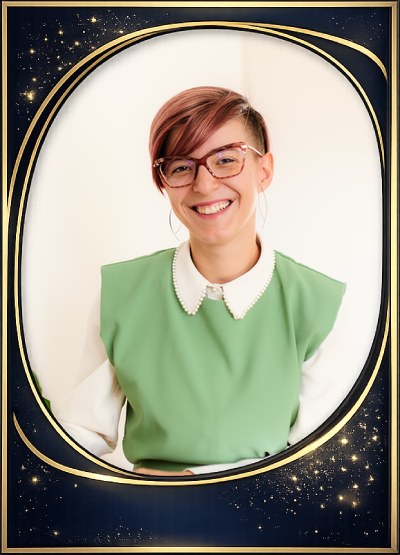
Milk to Meals
Ivona Grilec, MSc
NUTRI-NIDUS, Croatia
The aim of this interactive workshop is to familiarize participants with the fundamental principles of complementary feeding and their practical application. Through interactive questions and discussions, students will learn how to assess infant readiness, select nutritionally appropriate first foods, introduce allergens safely, and understand the differences between spoon-feeding approaches and baby-led weaning. Particular emphasis will be placed on responsive feeding and supporting healthy eating behaviours from an early age.
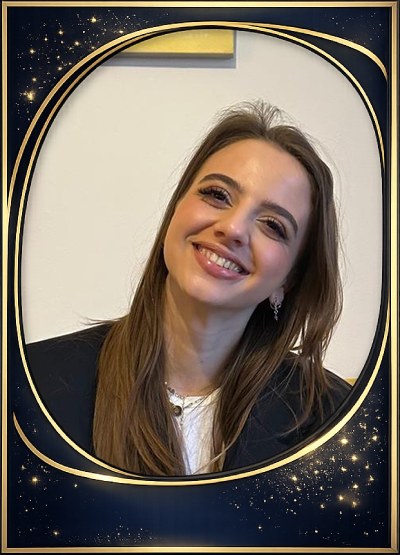
The Role of Nutrition and the Microbiome in Skin Health
Lucija Drobac, MSc
Ro.Ra.Natura d.o.o., Croatia
The workshop examines the role of diet and dietary supplements in maintaining skin health and as support in conditions such as acne, atopic dermatitis, psoriasis and rosacea. Scientific evidence on the effects of specific nutrients, dietary patterns and the gut–skin axis will be presented. Participants will learn to critically evaluate available approaches and apply them as part of holistic care.
Immunomodulation Protocols for Autoimmune Disease in Nutritional Practice
Maja Obrovac Glišić, MSc
NuFerti d.o.o., Croatia
The workshop addresses the role of nutrition in autoimmune diseases such as Hashimoto's thyroiditis, rheumatoid arthritis, inflammatory bowel disease and coeliac disease. Through the analysis of clinical cases, dietary approaches, their scientific basis and their limitations are discussed. Participants will jointly develop individualised dietary recommendations.
How to Read and Write a Scientific Article
Angelina Barić, MSc
McMaster University, Canada
The workshop is intended for participants who wish to improve their skills in critically reading and writing scientific papers. It covers the structure of a scientific article, assessment of quality and level of evidence, interpretation of basic statistical measures, and the process of manuscript preparation and peer review. Through practical examples, participants will learn how to apply scientific findings in everyday practice.

Dysphagia and Feeding Difficulties
powered by Fresenius Kabi
Dora Bučan Nenadić, MSc
Marija Selak, MSc
Petra Mihaljević, MSc
The workshop provides an overview of nutritional care for people with dysphagia and other feeding difficulties across different age groups. It covers screening and assessment, modification of food and fluid texture according to the IDDSI framework, and prevention of malnutrition and dehydration. Particular emphasis is placed on collaboration with speech and language therapists and other members of the multidisciplinary team.